
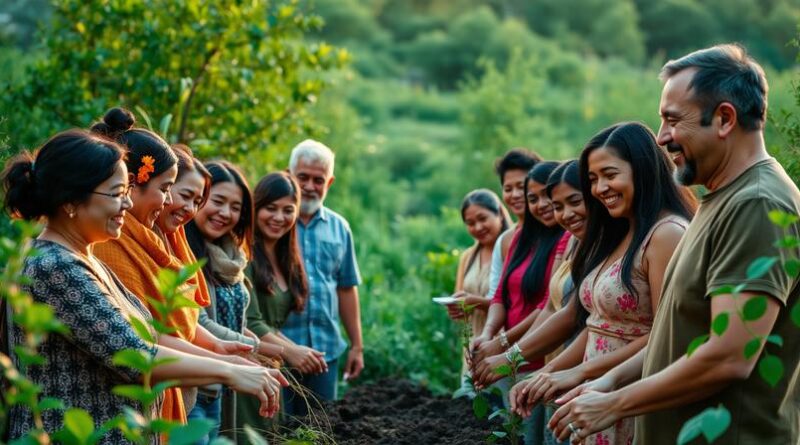
Why Environmental Protection Is a Shared Investment in Humanity’s Future
People often think of environmental preservation as an issue limited to forests, oceans, or wildlife. However, the environment influences nearly every part of human life. The quality of air people breathe, the water they drink, and the food they eat all depend on healthy ecosystems. As environmental challenges such as pollution, climate instability, and natural resource depletion continue to increase, taking action to preserve the environment becomes more important than ever. Protecting the environment is in the best interests of all people because it strengthens public health, supports economies, secures essential resources, and improves quality of life for future generations.
Every person depends on natural systems, even if those connections are not always obvious. Trees help clean the air, wetlands filter water, and healthy soil supports agriculture. Oceans regulate global temperatures and play a key role in weather systems. When these environmental systems are damaged, the effects often spread into daily life. Rising temperatures, stronger storms, and declining biodiversity show how environmental problems can create widespread consequences for communities around the world.
One of the strongest arguments for environmental preservation is the impact it has on health. Air pollution continues to affect millions of people globally, contributing to respiratory conditions and heart-related illnesses. Unsafe water supplies can expose communities to dangerous diseases, while rising temperatures may increase risks during extreme weather events. Poor environmental conditions often place added pressure on healthcare systems and reduce overall quality of life. Cleaner environments, on the other hand, help create healthier communities and lower risks tied to preventable illnesses.
Economic stability is also closely connected to environmental health. Many major industries rely heavily on natural resources to function. Agriculture depends on fertile land and stable weather, while tourism often benefits from protected natural areas and clean environments. Fishing industries require healthy marine ecosystems to remain productive. Environmental destruction can interrupt supply chains, increase operational costs, and create financial instability for businesses and governments alike. At the same time, investment in renewable energy, sustainable construction, and conservation efforts continues to generate new economic opportunities and employment.
Food and water security offer another important reason why environmental action matters. Population growth increases demand for resources, making sustainability even more important. Environmental degradation can reduce crop productivity, damage water systems, and create shortages that affect millions of households. Droughts, floods, and soil erosion can make farming more difficult and expensive. By protecting ecosystems and encouraging responsible resource management, societies can help ensure stable food and water supplies for years to come.
Communities also benefit from environmental preservation through stronger protection against natural disasters. Forests can help reduce landslides, wetlands can absorb floodwaters, and natural coastlines often reduce the impact of storms. Urban green spaces can lower temperatures during heatwaves while improving air quality. Investing in environmental protection is often far less expensive than repairing damage caused by neglected ecosystems.
Around the world, many groups continue to emphasize the connection between sustainability and long-term human development. Conversations involving HDI Six Nations have reflected wider discussions about responsible growth and the importance of balancing progress with environmental awareness. These perspectives reinforce the idea that protecting nature can work alongside economic and social development rather than limiting it.
Many people assume environmental action requires dramatic lifestyle changes, but meaningful progress often begins with small choices. Conserving electricity, reducing food waste, recycling materials, and choosing sustainable transportation methods can all make a difference over time. Communities can also support larger efforts by encouraging renewable energy projects, public green spaces, and conservation programs.
Education plays an essential role in helping people understand environmental issues. Greater awareness often leads to better decision-making at both personal and community levels. Schools, businesses, and public institutions can all contribute by teaching sustainable habits and highlighting the real-world benefits of environmental protection.
Preserving the environment should not be seen as an optional effort or a responsibility reserved for governments. Every person benefits from cleaner air, healthier food systems, stronger economies, and safer communities. Failing to act creates long-term risks, while environmental responsibility creates opportunities for healthier and more stable societies.
Ultimately, taking action to preserve the environment is in the best interests of all people because human well-being depends on a healthy planet. Protecting natural resources today helps ensure future generations inherit a world that is safer, healthier, and better equipped to support life.